

Have you noticed that since yesterday, more and more people have bee
Walk through the streets of Chiang Mai right now, and you’ll see it everywhere—men, women, locals, tourists—almost everyone seems to be dressed in loud,
So what’s the deal? Is there actually a meaning behind wearing floral shirts during
For most Thai people, wearing floral shirts during Songkran isn’t random—it’s tradition.
These bright, multi-colored patterns reflect a core cultural value in Thailand: “Sa—
Songkran, as the Thai New Year, is a time when people return home, reunite with
This idea isn’t unfamiliar in Thailand. Even in daily life, uniforms are commonly used to represent belonging and togetherness.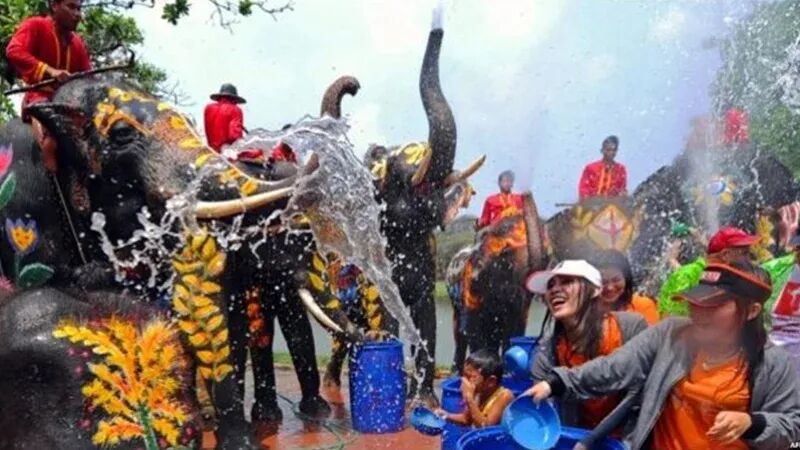
From Hawaii to Thailand
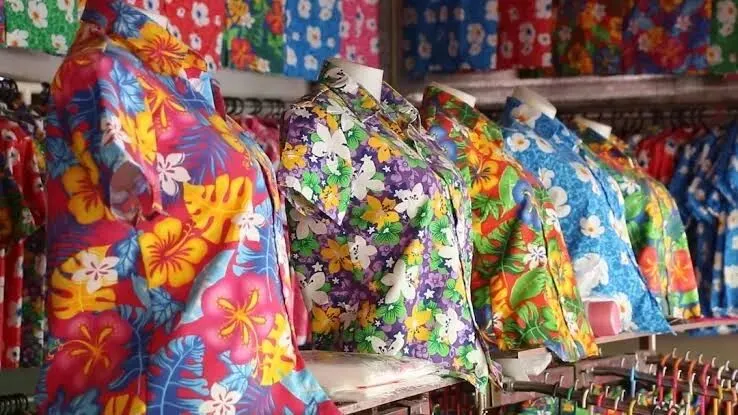
Interestingly, what Thai people call “Suea Lai Dok” (เสื้อลายดอก)—literally “floral shirt”—didn’t originate in Thailand.
It was introduced in the early 1960s, influenced by American soldiers and pop culture. Known globally as the Hawaiian or Aloha shirt, it quickly became associated with celebration and relaxation.
Because of its bold and festive look, it naturally found its place in Songkran—Thailand’s biggest and most energetic festival. Over time, it became so closely tied to the holiday that some people even refer to it as a “Songkran shirt.”
That said, floral aesthetics weren’t new to Thai culture. Long before Hawaiian shirts arrived, floral patterns were already present in traditional clothing and rural music scenes. So when this style appeared, it felt less like something foreign—and more like a familiar idea expressed differently.
Why Everyone Wears It (Including Women)
I used to think floral shirts were mostly for men.
They’re loose, boxy, and not exactly designed to highlight body shape—so I assumed women wouldn’t be into them.
Turns out, I was completely wrong.
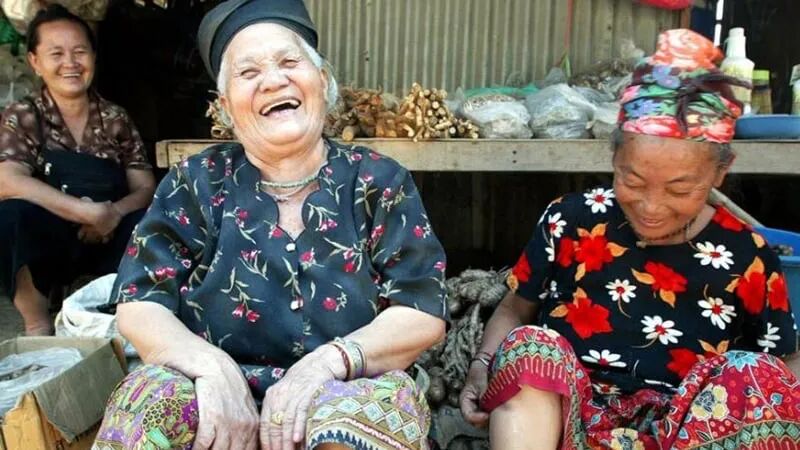
Over the past few days, I’ve seen everyone wearing them—from Thailand’s Prime Minister to young girls and elderly women on the streets of Chiang Mai.
And after paying closer attention (and talking to local female friends), I realized something important:
For many women, choosing a loose floral shirt during Songkran is also a practical decision.
A Layer of Protection
Songkran is fun—but it’s not without its issues.
According to a 2024 survey by Suan Dusit University:
- 32.43% of Bangkok residents reported experiencing sexual harassment in the past three years
- 57.9% had powder applied to their faces without consent
- 14.19% chose to avoid Songkran altogether due to safety concerns
In a festival where water fights are everywhere, physical boundaries can easily get blurred.
From personal observation over multiple years in Chiang Mai, I’ve noticed that women wearing more revealing or body-fitting outfits are more likely to attract unwa
In contrast, wearing a loose floral shirt—something that blends in with the crowd—can help reduce visibility and lower the chance of becoming a target.
It also helps practically:
When soaked, patterned shirts are less transparent than solid-colored clothing, which makes a real difference in comfort and confidence.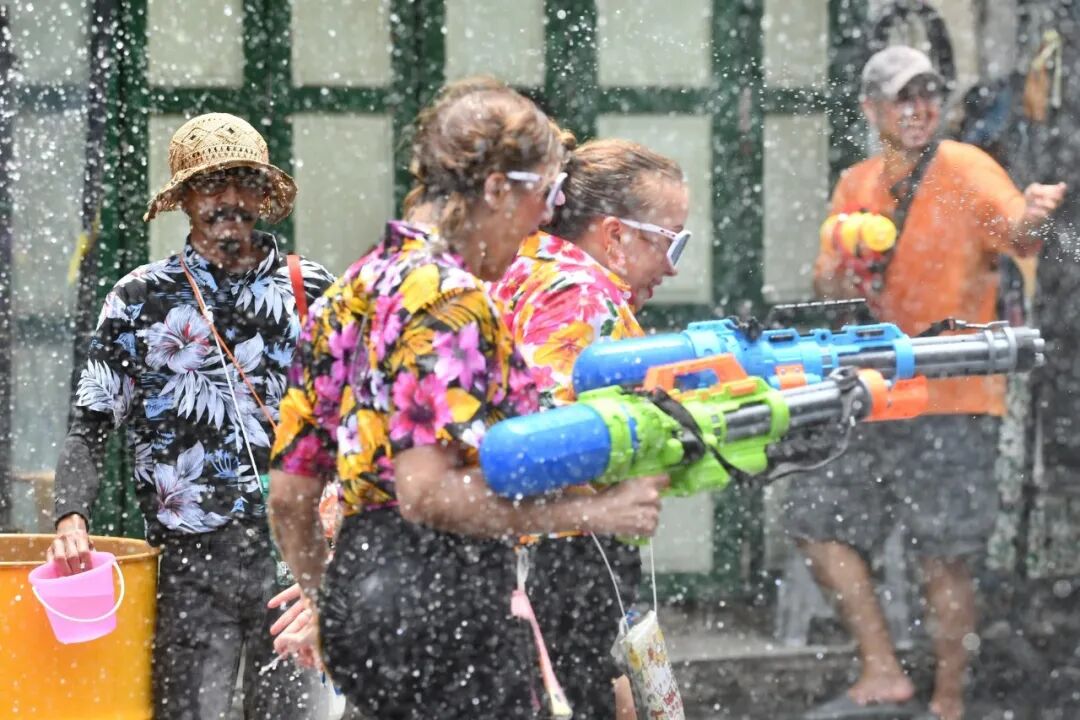
Not Perfect, Though
Floral shirts are usually affordable—around 150 baht on average—but that comes with a downside: quality.
Cheap fabrics tend to bleed color.
I learned that the hard way—after wearing a floral shirt with white pants and a white backpack, only to find everything stained by the end of the day.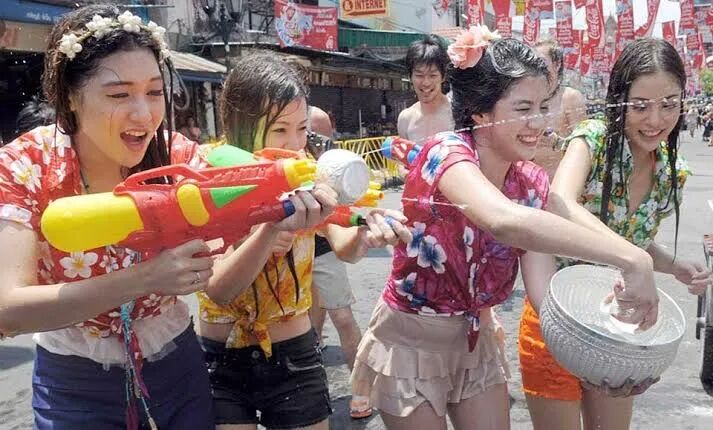
From Festival Wear to Cultural Symbol
In recent years, Thai officials have even encouraged people to wear floral shirts during Songkran to boost the festive atmosphere.
There have also been discussions about recognizing them as part of Thailand’s “soft culture,” similar to how elephant pants have gained symbolic status.
So… Are You Wearing One This Year?
What started as a borrowed style has evolved into something uniquely Thai—blending joy, identity, and practicality into a single piece of clothing.
So this Songkran—are you wearing your floral shirt?